Tree Canopy Thinning in San Jose, CA
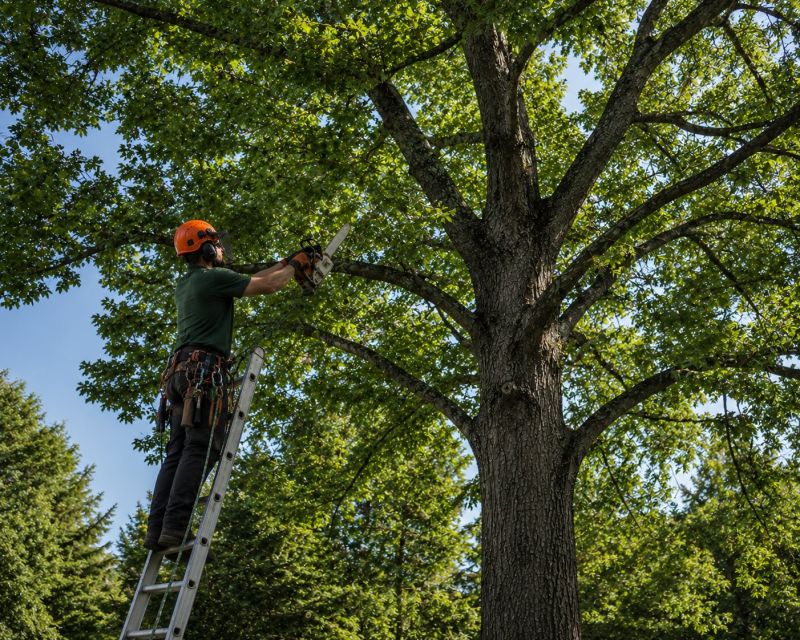
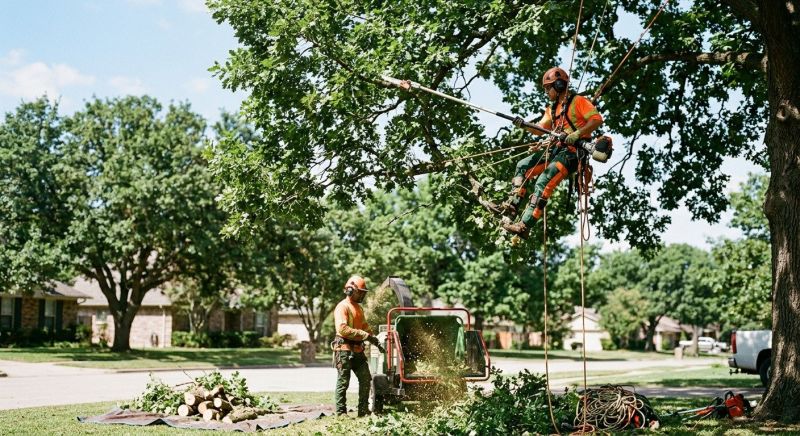
Tree canopy thinning services involve selectively removing branches and foliage to reduce the density of a tree's canopy. This process helps improve sunlight penetration, enhance air circulation, and reduce the risk of storm damage by making trees more stable. Projects often include thinning overgrown or crowded trees, managing tree health, and ensuring that the canopy does not interfere with nearby structures, power lines, or neighboring properties. Homeowners considering this service should understand the specific goals for their trees, such as improving safety, promoting healthy growth, or maintaining aesthetic balance, and inquire about the best timing and techniques for their particular landscape.
Before requesting tree canopy thinning, property owners typically want to know about the potential impact on the tree’s overall health and appearance, as well as any necessary maintenance afterward. It’s important to consider the size and species of the trees involved, as some may require more careful planning or specialized approaches. Clarifying the scope of work, including which branches will be removed and how the process will be performed, can help ensure the results meet expectations. Understanding local regulations or guidelines related to tree management may also be beneficial before proceeding with thinning projects.
Many property owners in San Jose, CA look into Tree Canopy Thinning for repairs, replacements, upgrades, and appearance-related improvements.
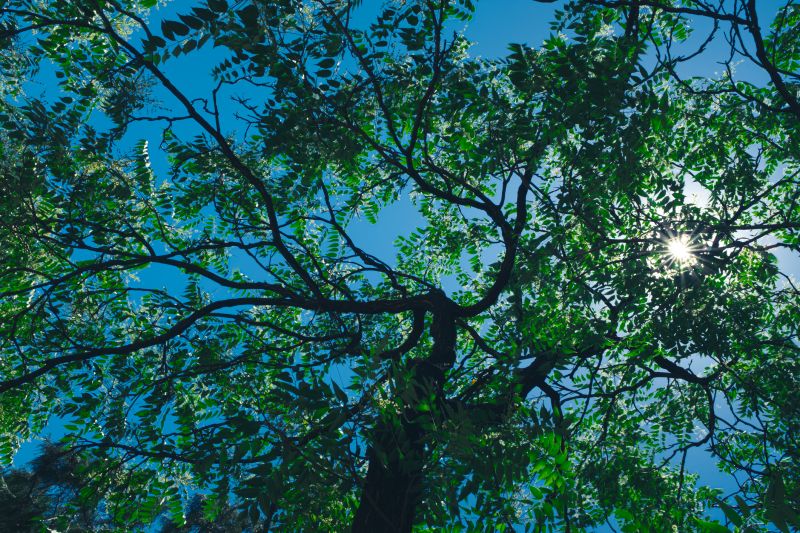
Enhancing Tree Health
Thinning the canopy can improve airflow and reduce stress on mature trees in san jose neighborhoods.
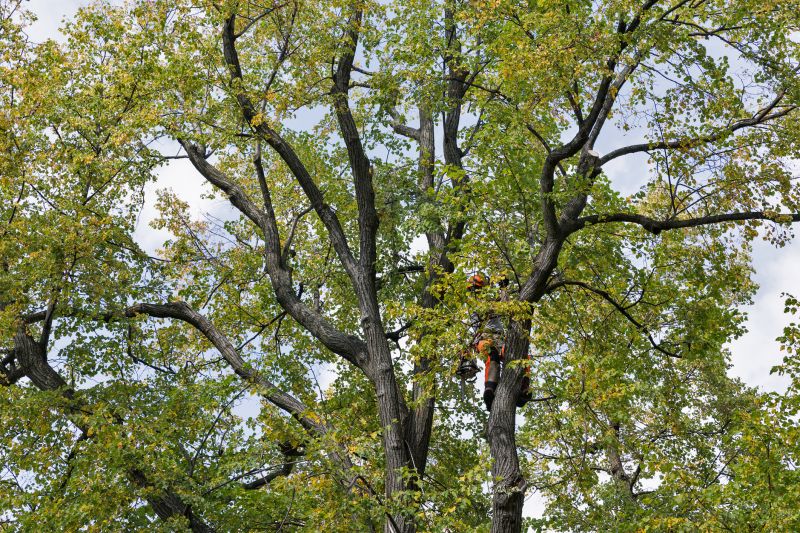
Improving Property Safety
Selective canopy thinning helps prevent branch failure and minimizes risks to people and structures during storms.
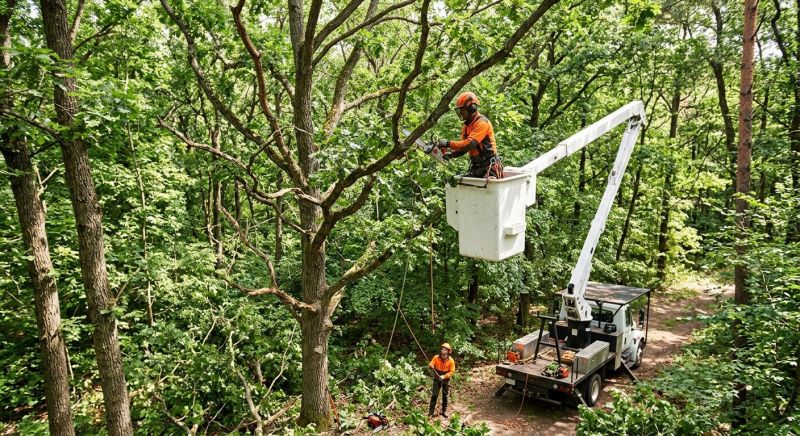
Optimizing Sunlight Access
Adjusting the canopy allows more sunlight to reach lawns, gardens, and outdoor living spaces on residential properties.
Tree Canopy Thinning in San Jose, CA
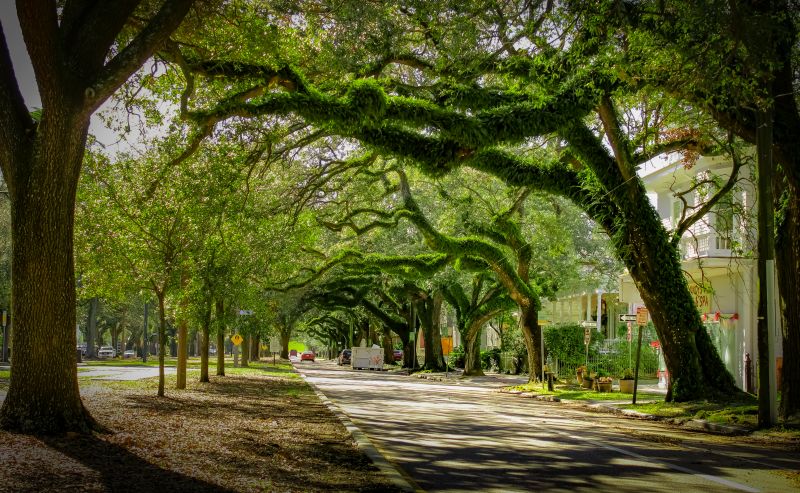
Tree canopy thinning services involve selectively removing branches and foliage to reduce the density of a tree's canopy. This process helps improve sunlight penetration, enhance air circulation, and reduce the risk of storm damage by making trees more stable. Projects often include thinning overgrown or crowded trees, managing tree health, and ensuring that the canopy does not interfere with nearby structures, power lines, or neighboring properties. Homeowners considering this service should understand the specific goals for their trees, such as improving safety, promoting healthy growth, or maintaining aesthetic balance, and inquire about the best timing and techniques for their particular landscape.
Before requesting tree canopy thinning, property owners typically want to know about the potential impact on the tree’s overall health and appearance, as well as any necessary maintenance afterward. It’s important to consider the size and species of the trees involved, as some may require more careful planning or specialized approaches. Clarifying the scope of work, including which branches will be removed and how the process will be performed, can help ensure the results meet expectations. Understanding local regulations or guidelines related to tree management may also be beneficial before proceeding with thinning projects.
Many property owners in San Jose, CA look into Tree Canopy Thinning for repairs, replacements, upgrades, and appearance-related improvements.
Common Tree Canopy Thinning Jobs
Tree Canopy Thinning Services - Selective removal of branches to improve sunlight and airflow within the canopy.
Tree Crown Reduction - Reducing the size of the tree’s crown to prevent overgrowth and maintain health.
Selective Branch Removal - Removing specific branches to reduce weight and minimize storm damage risk.
Overgrown Canopy Thinning - Thinning dense foliage to promote healthier growth and reduce shading.
Safety Clearance Thinning - Creating clearance around structures, power lines, and walkways for safety.
Storm Damage Prevention - Thinning to lessen wind resistance and decrease the likelihood of storm-related damage.
Tree Canopy Thinning Questions
What is tree canopy thinning? Tree canopy thinning involves selectively removing branches to reduce the density of a tree's upper foliage, improving air flow and light penetration.
Why consider canopy thinning? Thinning can help prevent storm damage, improve tree health, and reduce shading on property or structures.
When is the best time for canopy thinning? The optimal time is during the tree's dormant season, typically late winter or early spring, before new growth begins.
Will canopy thinning harm the tree? Proper thinning is designed to maintain the tree's health by removing only necessary branches, promoting better growth and stability.
Request Tree Canopy Thinning in San Jose, CA
Use the quote form on this page to share the basics of your project and request more information for the type of work you need.