Commercial Tree Trimming in Denver County, CO
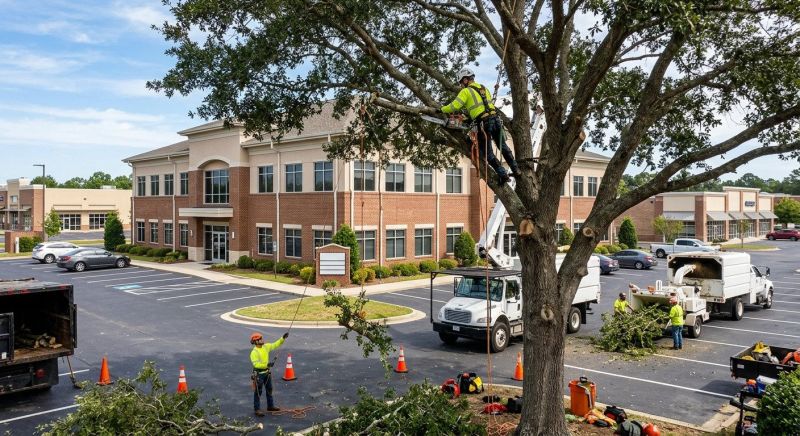
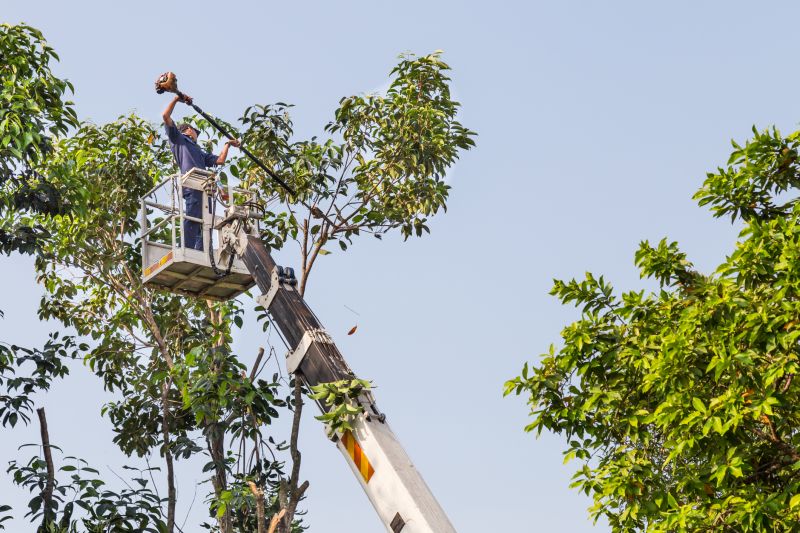
Commercial tree trimming services involve the careful pruning and shaping of trees on residential properties to maintain their health, appearance, and safety. This service covers a variety of projects, including removing dead or overgrown branches, thinning dense canopies, and shaping trees to enhance curb appeal. Property owners often seek this service to prevent potential hazards, improve the overall landscape aesthetic, and promote the longevity of their trees.
Before requesting commercial tree trimming, property owners should consider the size, type, and location of the trees, as well as any specific concerns about safety or visual appeal. It’s helpful to understand the scope of work needed, such as whether tree removal or crown thinning is required, and to communicate any restrictions or preferences related to the property. Proper planning ensures that the trimming aligns with landscape goals and safety standards.
Many property owners in Denver County, CO look into Commercial Tree Trimming for repairs, replacements, upgrades, and appearance-related improvements.
Safety And Clearance
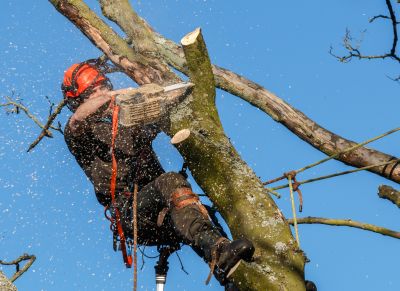
Ensuring trees are pruned to prevent hazards and maintain clear pathways around denver properties.
Tree Health And Growth
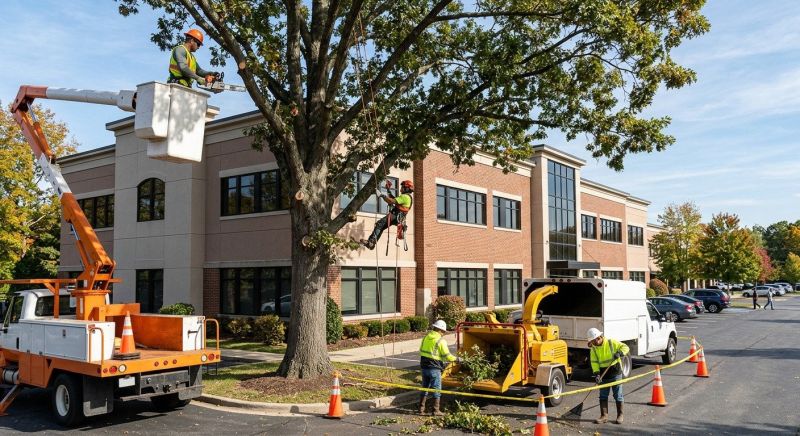
Promoting strong growth and removing dead or diseased branches to keep trees healthy and vibrant.
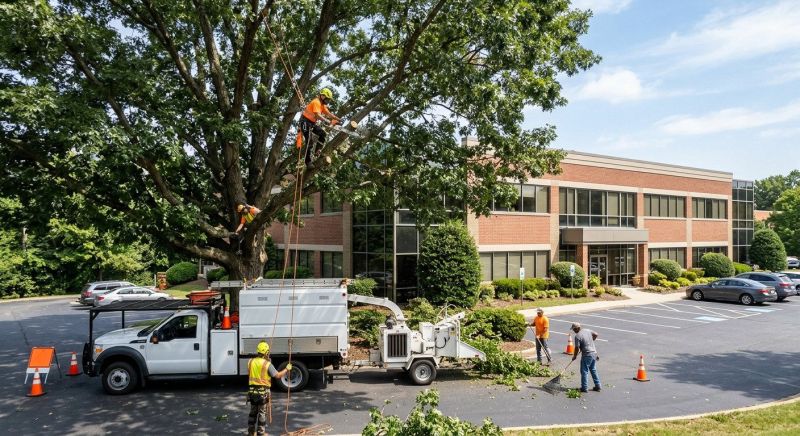
Property Aesthetics
Shaping and trimming trees to enhance curb appeal and complement the landscape of residential and commercial spaces.
Commercial Tree Trimming in Denver County, CO
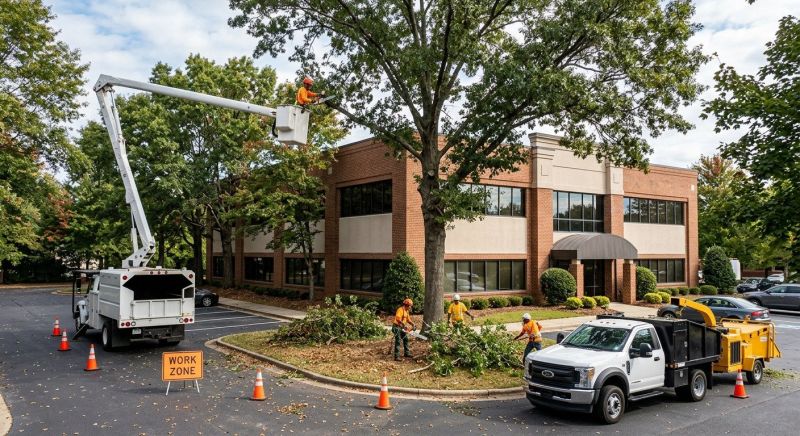
Commercial tree trimming services involve the careful pruning and shaping of trees on residential properties to maintain their health, appearance, and safety. This service covers a variety of projects, including removing dead or overgrown branches, thinning dense canopies, and shaping trees to enhance curb appeal. Property owners often seek this service to prevent potential hazards, improve the overall landscape aesthetic, and promote the longevity of their trees.
Before requesting commercial tree trimming, property owners should consider the size, type, and location of the trees, as well as any specific concerns about safety or visual appeal. It’s helpful to understand the scope of work needed, such as whether tree removal or crown thinning is required, and to communicate any restrictions or preferences related to the property. Proper planning ensures that the trimming aligns with landscape goals and safety standards.
Many property owners in Denver County, CO look into Commercial Tree Trimming for repairs, replacements, upgrades, and appearance-related improvements.
Common Commercial Tree Trimming Jobs
Commercial Tree Trimming Services - pruning overgrown branches to maintain tree health and appearance.
Tree Crown Reduction - reducing the size of tree canopies to prevent interference with buildings or power lines.
Safety Clearance Trimming - removing branches near walkways and parking areas to ensure safety and accessibility.
Storm Damage Pruning - addressing broken or damaged branches after severe weather events.
Tree Shaping and Thinning - improving airflow and light penetration through strategic branch removal.
Emergency Tree Trimming - providing urgent services to address safety hazards caused by fallen or unstable branches.
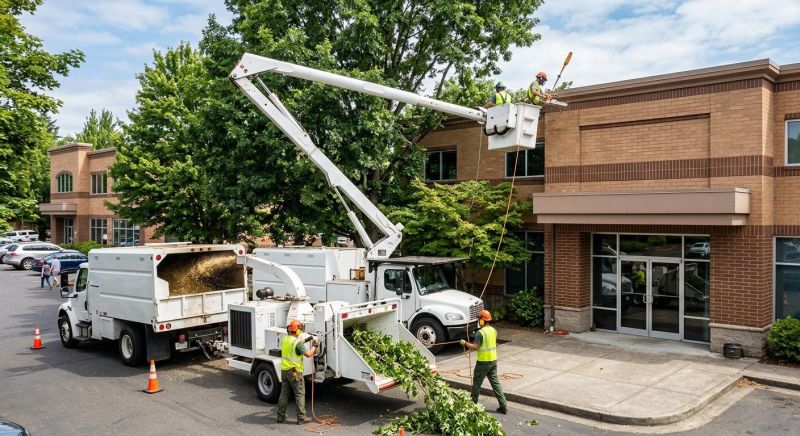
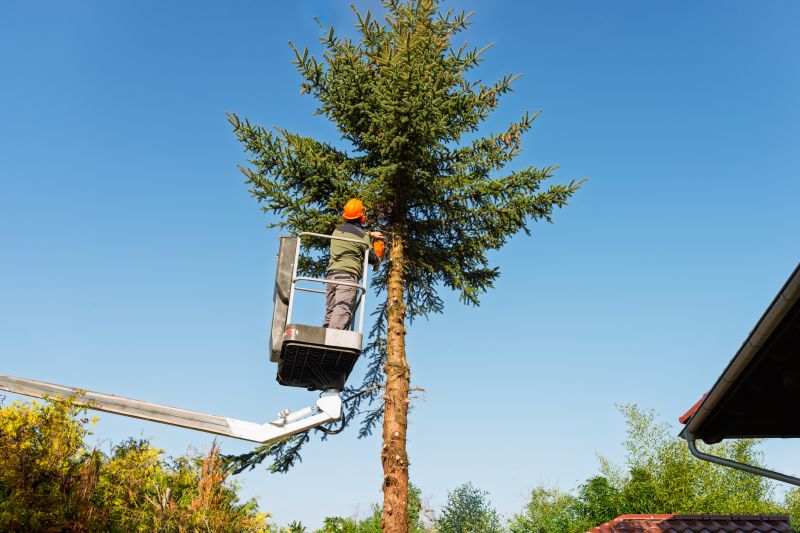
Commercial Tree Trimming Questions
What types of trees are suitable for trimming? Most common landscape and shade trees in Denver County can benefit from trimming to maintain health and appearance.
Why is regular tree trimming important for commercial properties? It helps prevent hazards, promotes healthy growth, and enhances the overall aesthetic of the property.
What are common reasons for requesting commercial tree trimming? Property owners often request trimming for safety, clearance, disease control, or to improve tree structure.
How does trimming affect tree health? Proper trimming removes dead or diseased branches, reducing the risk of damage and supporting healthy development.
Request Commercial Tree Trimming in Denver County, CO
Use the quote form on this page to share the basics of your project and request more information for the type of work you need.