Compare Local Contractors for Residential Tree Service Success
Compare local contractors for residential tree services to clarify project scope, verify experience, and establish clear expectations before hiring.
Residential tree service contractors typically handle a range of tasks related to the maintenance, removal, and care of trees on private property. This can include pruning to improve tree health and safety, removing dead or hazardous limbs, and performing complete tree removals when necessary. Additionally, these professionals may provide stump grinding, planting advice, and assessments of tree health. Understanding the scope of work involved helps property owners determine what services are needed to maintain their landscape and ensure safety around their homes.
Clearly defining the scope of a tree service project is essential for setting realistic expectations and ensuring the work aligns with property owners’ needs. A detailed scope outlines specific tasks, such as whether the work involves only pruning or includes full removal and cleanup. It also clarifies the extent of the work, like the number of trees involved, the size of trees, and any special considerations such as proximity to structures or power lines. Having this information in writing helps prevent misunderstandings and provides a clear basis for comparing different service providers.
When evaluating local contractors for residential tree work, property owners should consider factors such as experience with similar projects, reputation within the community, and the services offered. It’s helpful to review credentials, ask for references, and verify that the contractor understands the scope of work needed. Comparing multiple service providers allows property owners to assess their communication style, professionalism, and ability to deliver the work as specified. Making informed choices based on these criteria can lead to a smoother process and a result that meets the property’s needs effectively.
Compare local contractors by outlining your project priorities, verifying experience, and setting clear expectations in writing.
- Compare Service Providers - Review credentials and experience to find contractors suited to residential tree work.
- Define Project Scope - Clearly outline the work needed to ensure all parties have aligned expectations.
- Verify Experience - Confirm that contractors have relevant experience handling residential tree services.
- Document Agreements - Put project details and expectations in writing to prevent misunderstandings.
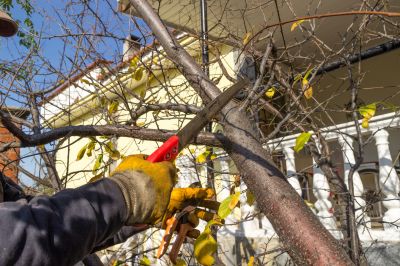
Clearly describing your residential tree project helps compare local contractors, verify experience, and set clear expectations.
- Verify experience and reputation of local contractors handling residential tree services. Ensure the scope of work is clearly defined and documented in writing before work begins. Compare multiple service providers to evaluate their offerings and expertise in residential tree care. Look for contractors who provide detailed descriptions of the services they will perform. Check that service providers have appropriate insurance coverage to protect against potential liabilities. Confirm that the scope, expectations, and responsibilities are outlined in a written agreement to prevent misunderstandings.
Compare local contractors, clarify project scope, verify experience, and document expectations for your tree service.
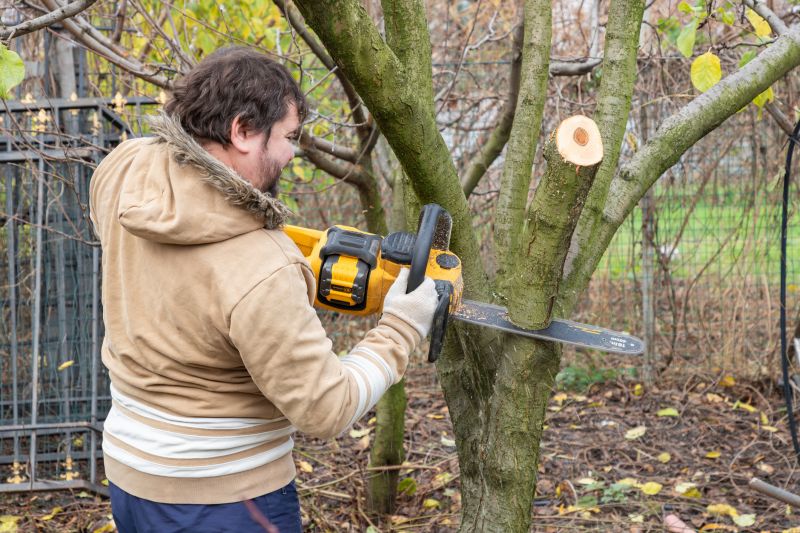
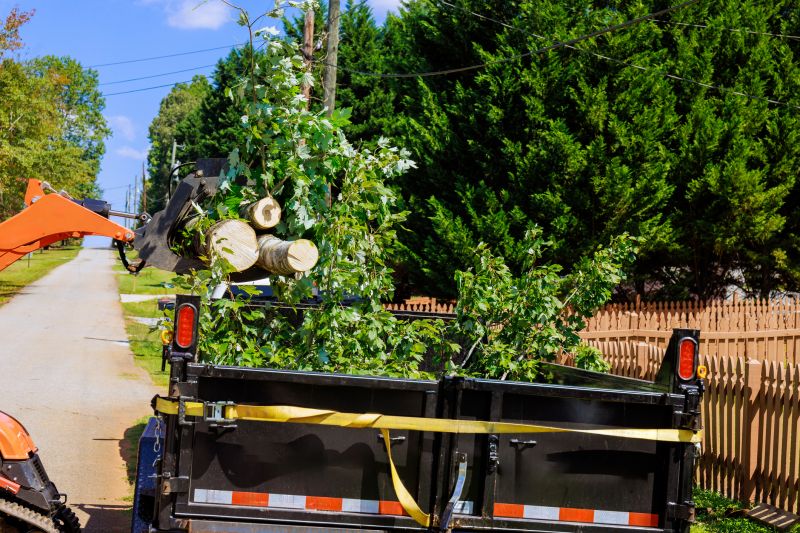
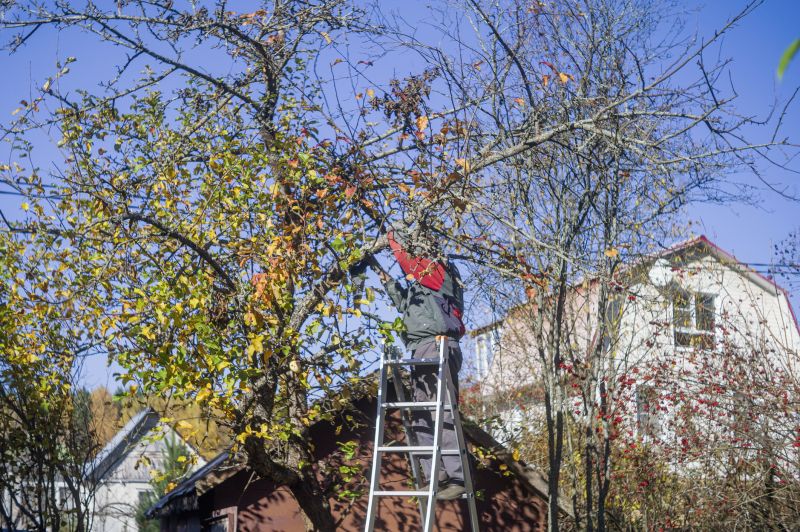

Use consistent scope definitions and verify experience to fairly compare residential tree service contractors and set clear expectations.
- Scope Definition - Clearly outline the specific tree services needed, such as pruning, removal, or stump grinding.
- Experience Verification - Confirm that the service providers have relevant experience with residential tree work.
- Work Details - Specify the extent of the work, including the number and size of trees involved.
- Written Agreement - Ensure all project details, including scope and expectations, are documented in writing.
- Insurance and Liability - Verify that the local contractors carry appropriate insurance coverage for residential tree services.
When comparing contractors for residential tree services, it’s important to evaluate their experience with similar projects. Homeowners should inquire about how long a service provider has been performing tree work in the local area and whether they have handled projects comparable in scope and complexity. A contractor with a proven track record of managing trees similar in size, species, or location can offer insights into their familiarity with potential challenges and appropriate techniques. This background helps ensure the contractor understands the specific needs of the property and can deliver results aligned with expectations.
A clear, written scope of work is essential when assessing different service providers. Homeowners should seek detailed descriptions of the tasks that will be performed, including the types of tree work, methods used, and any specific considerations related to the property. A well-defined scope helps prevent misunderstandings and provides a basis for evaluating whether the contractor’s approach aligns with the project’s needs. It also creates a record that can be referenced later, ensuring both parties are aligned on what is to be done.
Verification basics are key for establishing trust and confidence in a contractor’s capabilities. Homeowners should verify the contractor’s experience through references or past project summaries, and confirm that the service provider has appropriate insurance or liability coverage where applicable. Checking for any complaints or disputes with local consumer agencies can also provide additional assurance. These verification steps help ensure that the contractor is reputable and capable of performing the work safely and effectively.
Evaluating options without focusing on prices involves examining how each contractor communicates and presents their services. Homeowners should compare the clarity of written proposals, the professionalism of the communication, and the thoroughness of the scope of work provided. It’s also helpful to consider the contractor’s responsiveness to questions and their ability to articulate a plan that meets the property’s needs. By focusing on these aspects, homeowners can make an informed decision based on experience, clarity, and reliability, rather than cost alone.
Ask contractors to provide written scope details to ensure clear expectations and consistent project understanding.
- Experience and References - How can you verify the experience and past work of local contractors?
- Scope of Work - What specific tasks and services are included in the proposed scope?
- Insurance and Liability - What insurance coverage do local service providers carry to protect property and workers?
- Work Standards - How do local contractors ensure their work meets industry standards and safety practices?
- Written Agreement - What details are documented in the scope of work and expectations to avoid misunderstandings?
How can homeowners compare residential tree service contractors? Homeowners can compare contractors by reviewing their experience, verifying references, and ensuring clear scope definitions in written agreements to help find the right service provider for their needs.
What should be included in a contractor's scope of work? A detailed scope of work should specify the types of tree work, the extent of pruning or removal, and any cleanup or disposal responsibilities to set proper expectations.
How important is experience when choosing a tree service contractor? Experience is a key factor, as it indicates familiarity with various tree species, proper techniques, and safety practices, contributing to quality results.
What questions should be asked when evaluating local contractors? Questions about their past projects, methods used, insurance coverage, and how they handle unexpected issues can help assess their suitability for the job.
Why is it recommended to have a written agreement with a contractor? A written agreement helps clarify the scope, responsibilities, and expectations, reducing misunderstandings and providing a record of the agreed-upon work.
How can homeowners ensure a contractor's reliability? Checking references, reviewing previous work, and confirming that the contractor clearly defines the scope and terms in writing can help verify reliability.
By exploring available contractors for residential tree services, visitors gain an understanding of how to define the scope of work, verify experience, and set clear expectations in writing. This process helps ensure that the chosen service providers align with specific project needs and preferences. Utilizing the quote form allows for easy comparison of local service providers, making it simpler to identify options that match individual requirements.
Taking a few moments to use the quote form can assist in connecting with trusted local contractors capable of handling residential tree work. Comparing your options through this tool provides a straightforward way to evaluate different service providers and find those best suited to your project.